In February I had the opportunity to join Beth in Africa for more field work. Prior to collecting her late season samples in South Africa, we took a trip to Namibia in a camper truck. Some images from this adventure are posted below -- More are posted here, on Beth's website.
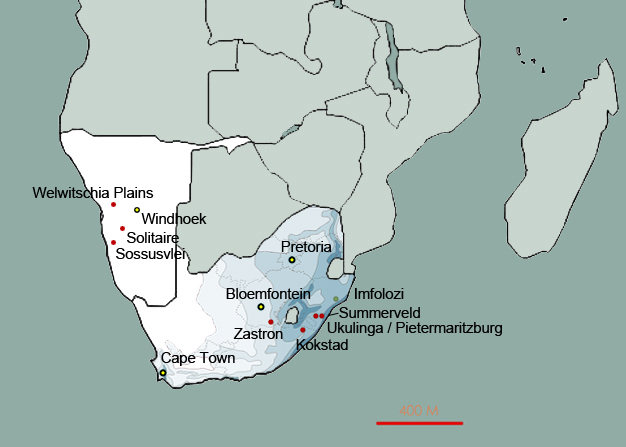
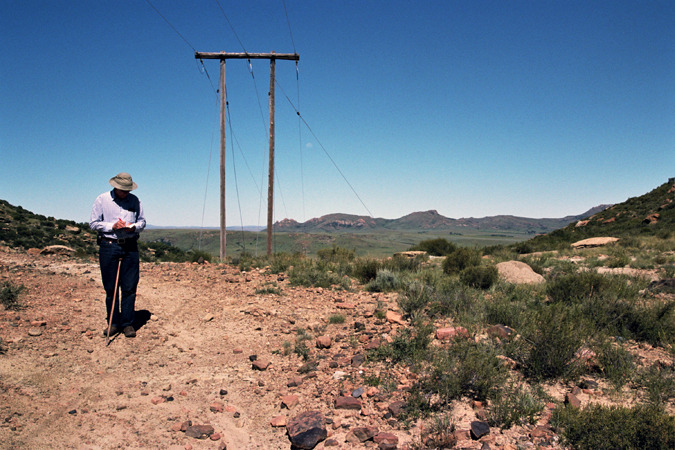
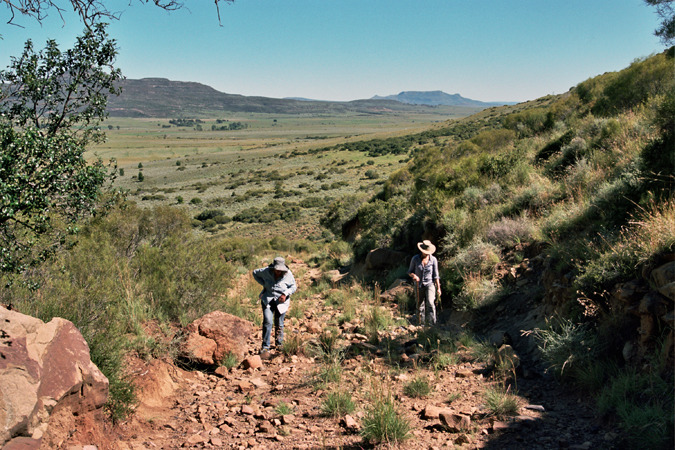
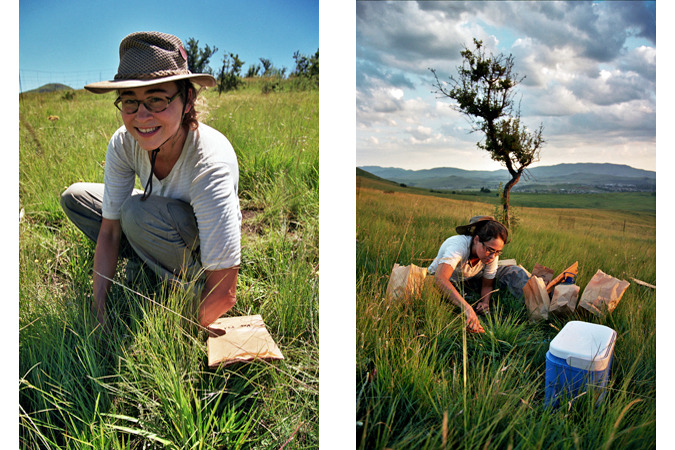
Upon returning to Cape Town, where our road trip began, we flew to Pietermaritzburg where Beth has been living since the beginning of January, working in collaboration with the grasslands department at the University of KwaZulu-Natal. As in North America, Beth's South African sites are distributed from east to west following the annual precipitation gradient. However, the overall distance between her wettest and driest SA sites is relatively condensed - maybe the width of Texas. While visiting, I assisted Beth with four sites at the eastern (wet) end of her transect and as I post this, she is in the process of collecting data from the remaining six sites with help from a variety of collaborators. Beth's current return ticket is on my birthday next month and, needless to say, New Haven has been lonely without her.
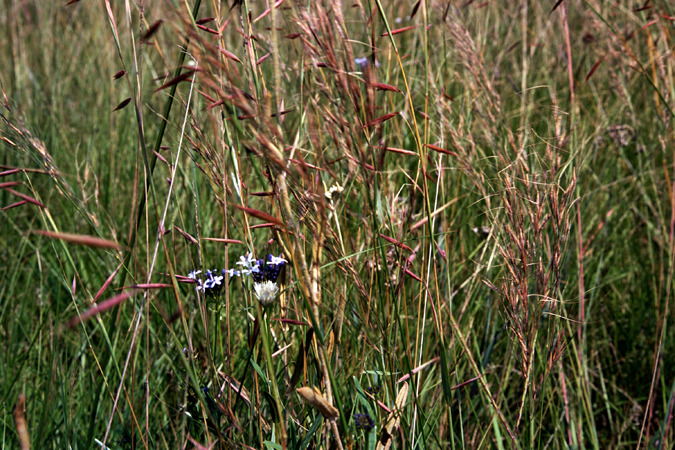
Being a layperson with zero background in ecology or evolutionary biology, it takes me some time to visualize what Beth intends to reveal through her dissertation. This is especially annoying for her to observe in person and I have embarrassed myself on many occasions trying to explain or simplify Beth's work to others in my position. I am now comfortable making the textbook observation that there is significantly more biodiversity in the grassland communities of South Africa than North America. This is perhaps caused by, among other things, an evolutionary timeline that is uninterrupted by glaciation. I was most excited to see the great variety of dominant grass species and forbs at the wettest or most "mesic" of these sites: where all the different players can really have at it, given the ideal growing conditions and abundant resources. However, I have also come to understand that wet conditions are the same as dry in terms of diversity drivers, a point that I find really fascinating. Maybe the in-between sites are the most boring? T.B.D.
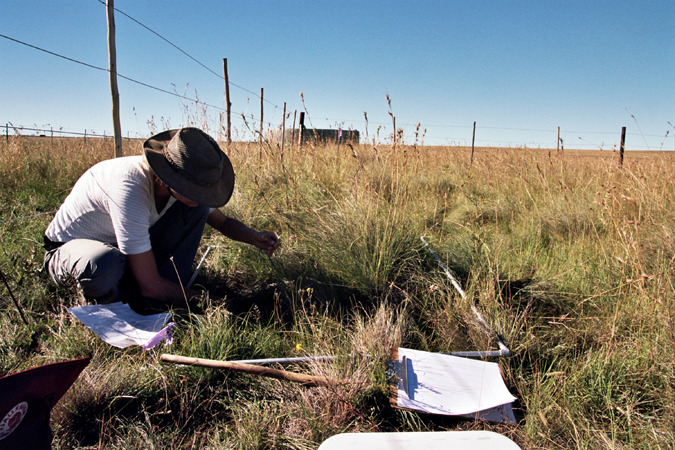
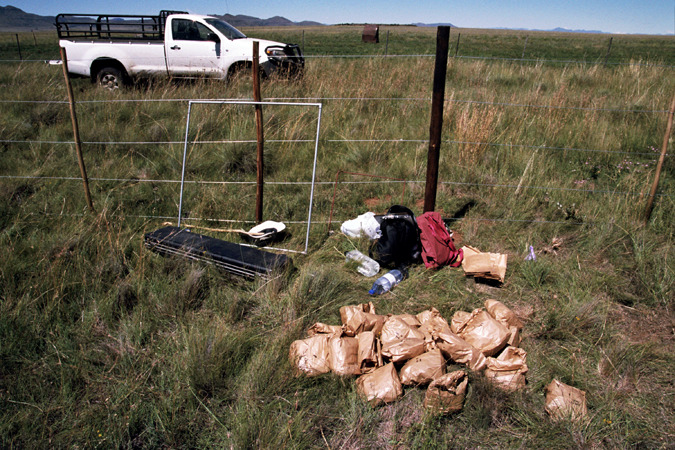
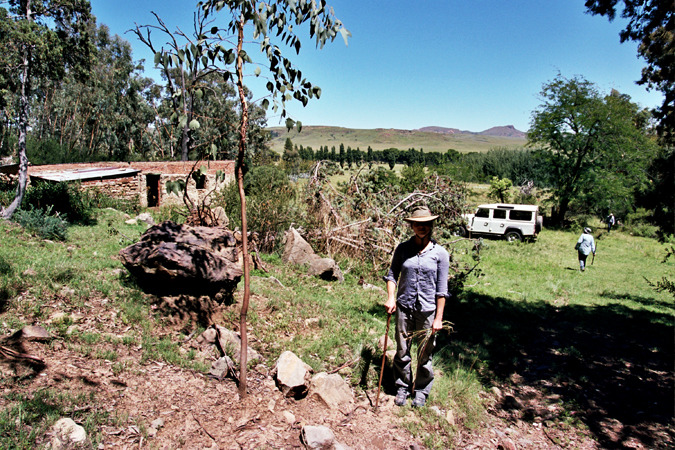
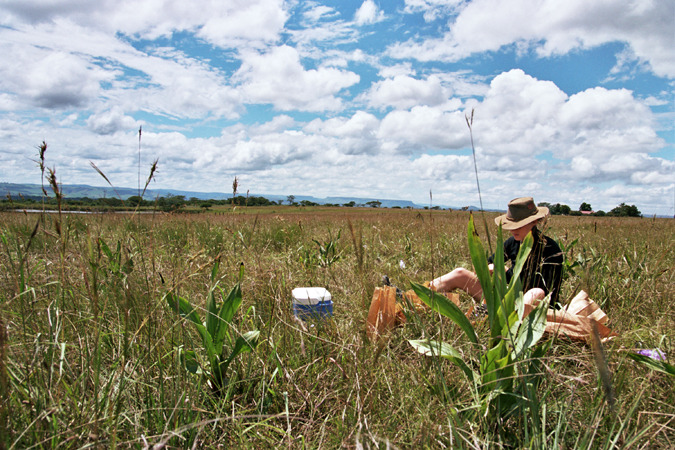
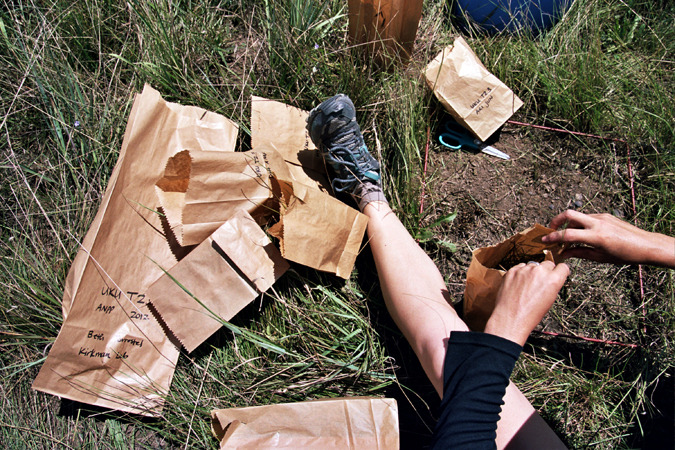
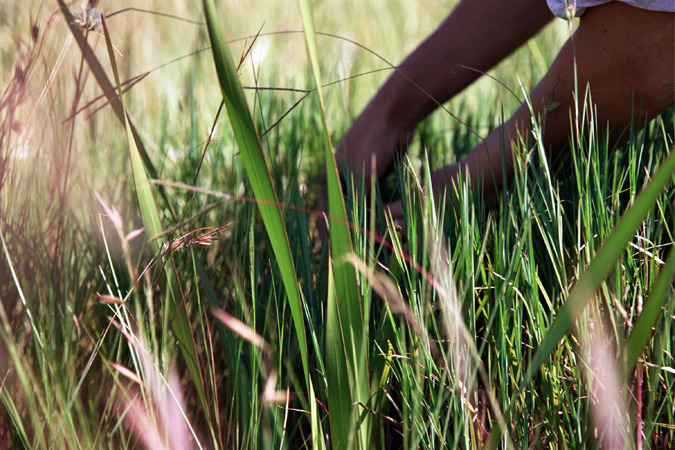
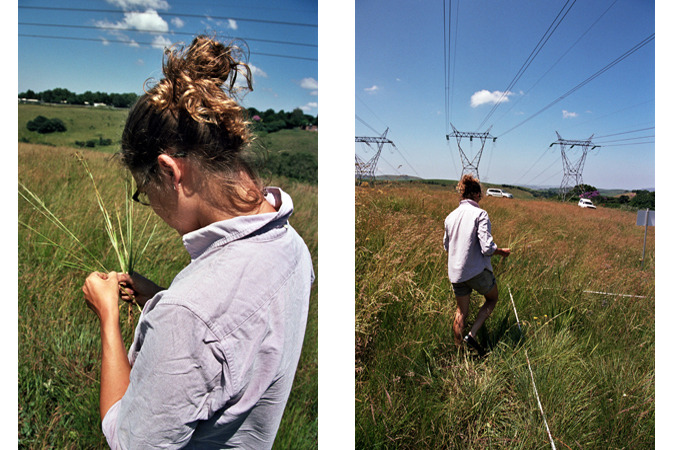
What this means for me, as an almost useful field assistant, is that the differences between dominant grass species are much more subtle and difficult to spot in SA; for each plant that I clipped I sort of mumbled the specimen's name -- generally a bastardized version that is easier to remember -- and waited for Beth to confirm or guide my clippings to the proper bag. I do have some redeeming qualities including: running the stopwatch, digging soil cores, reading aloud in vehicles without radios and making sure that we are back on the road before dark to avoid hitting pedestrians, livestock or rural taxis. My first visit to Africa was great and, as always, having the opportunity to see the landscape and social fabric that Beth interacts with while carrying out her very involved field work is extremely rewarding.
The photos below are scanned from 35mm Kodak 160VC film. (discontinued last year)
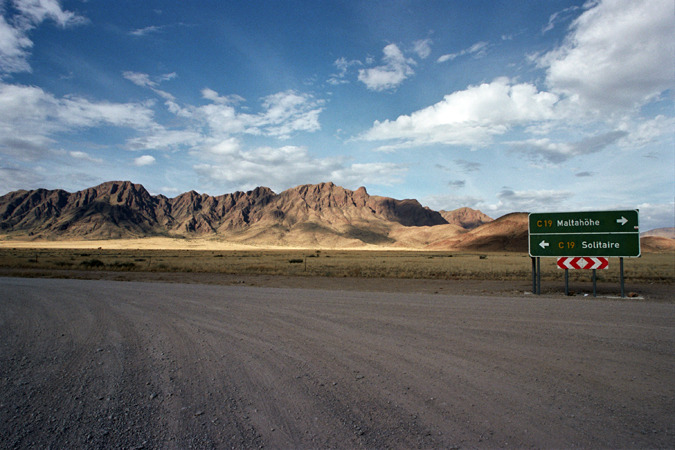
Solitaire, Namibia
Sossusvlei, Namibia
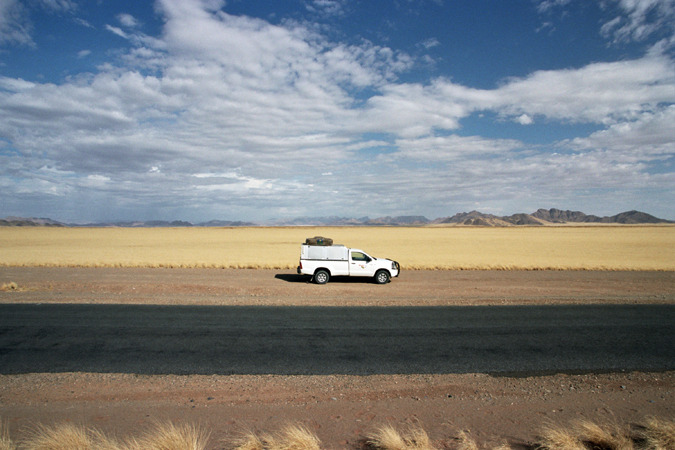
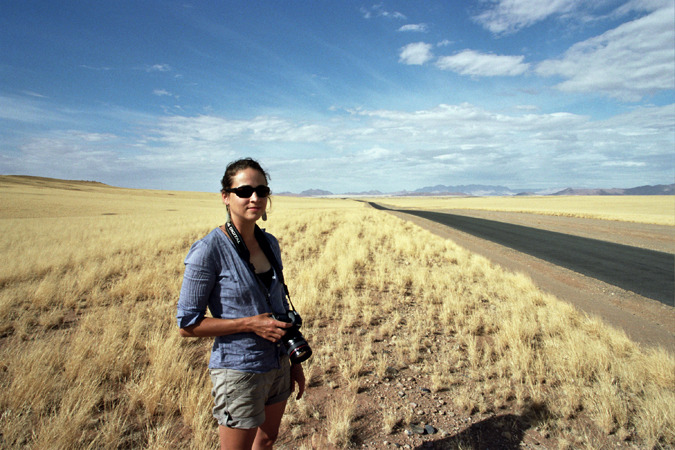
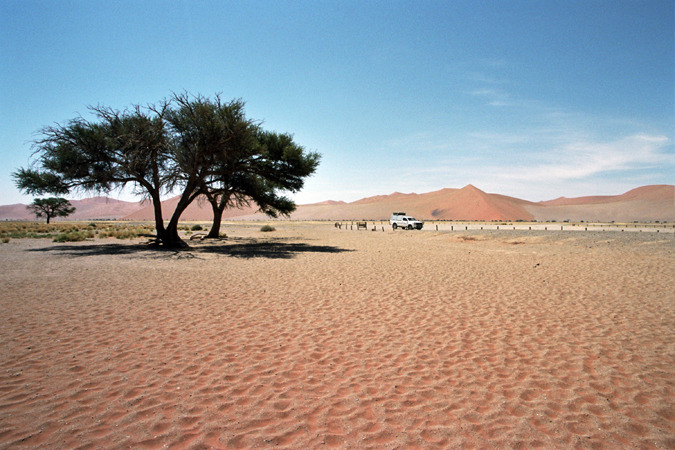
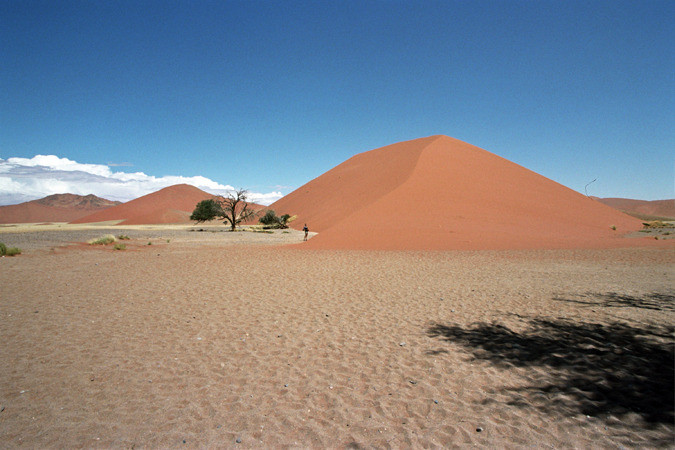
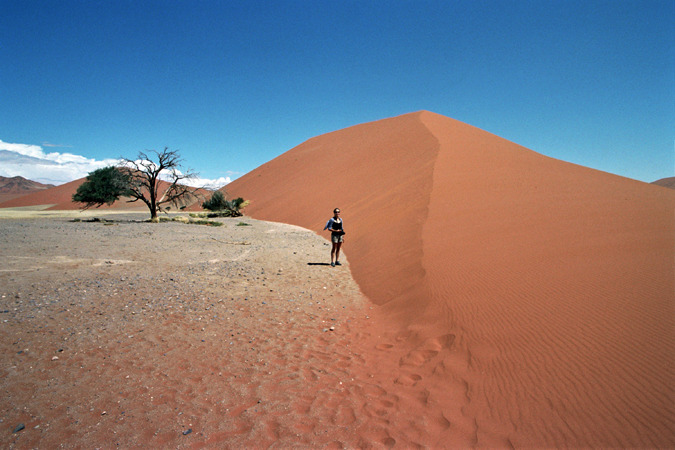
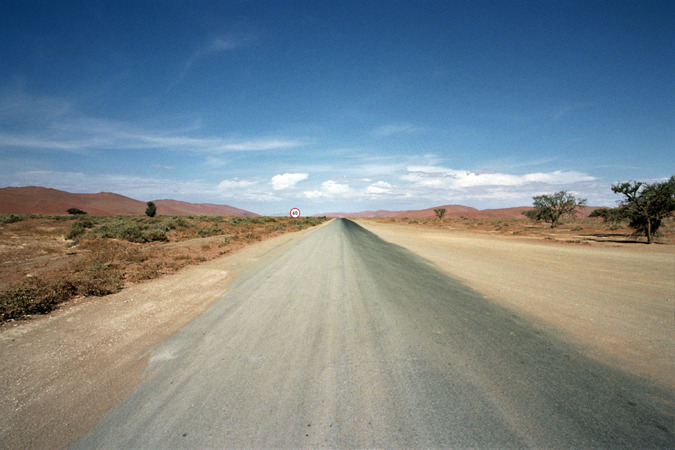
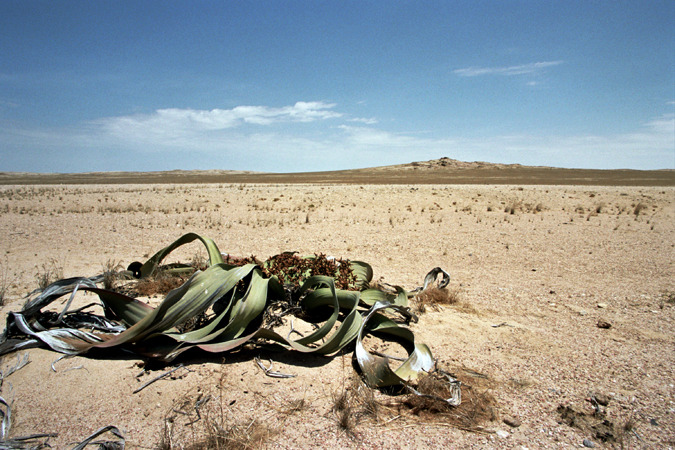
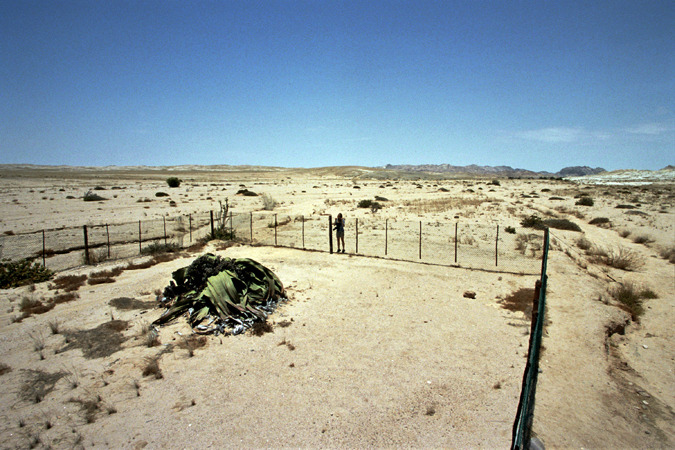
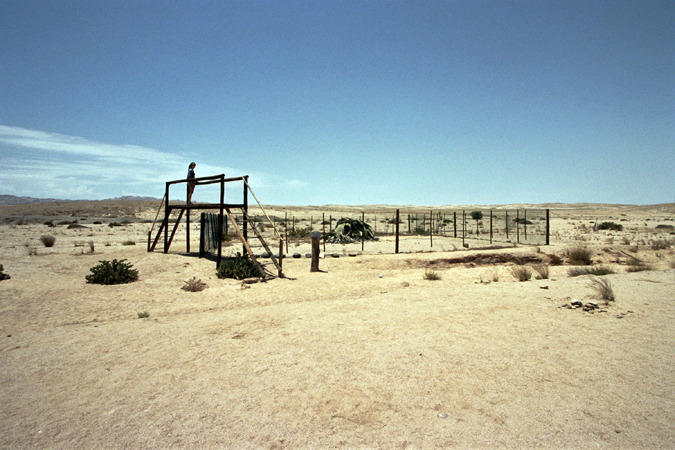
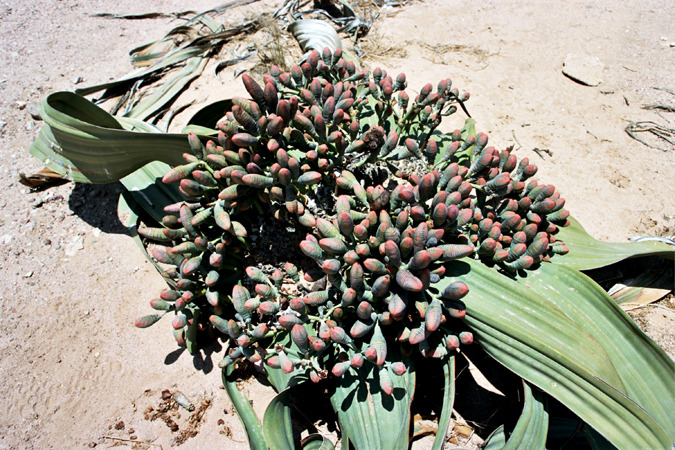
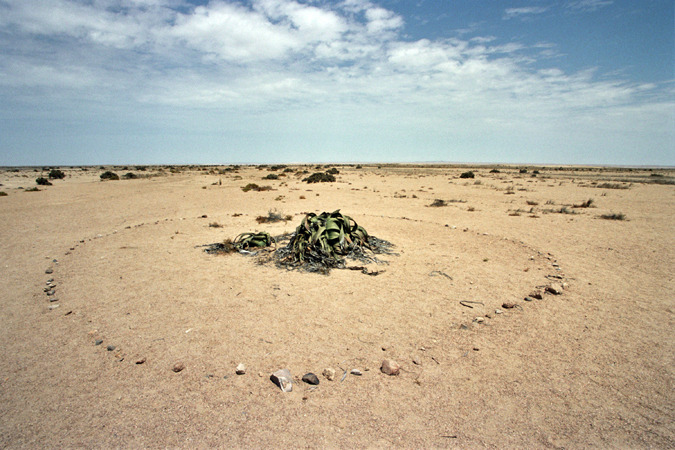
Welwitschia Plains, Namibia
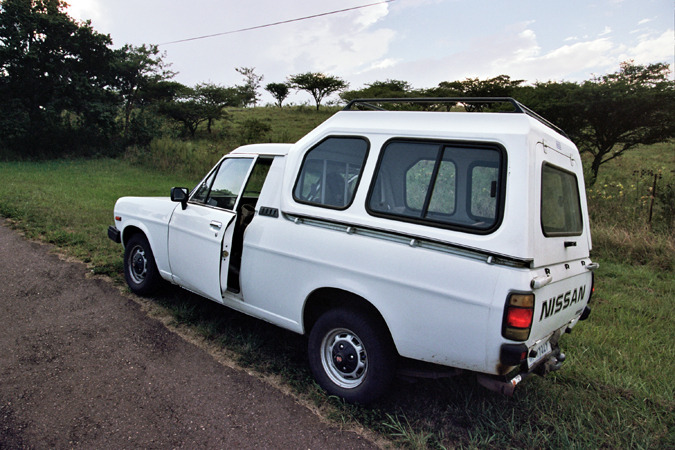
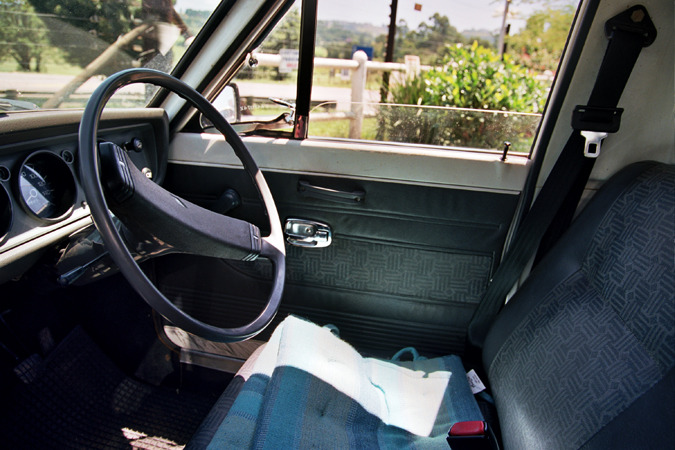
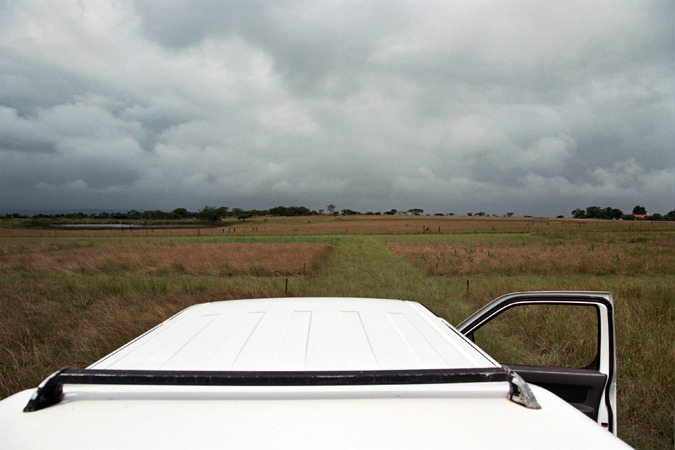
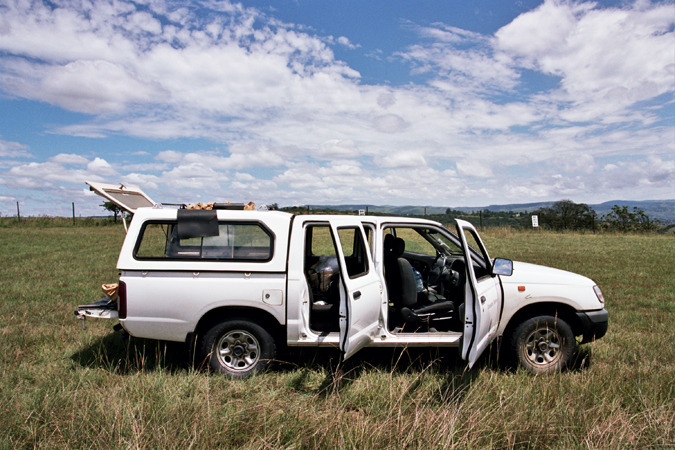
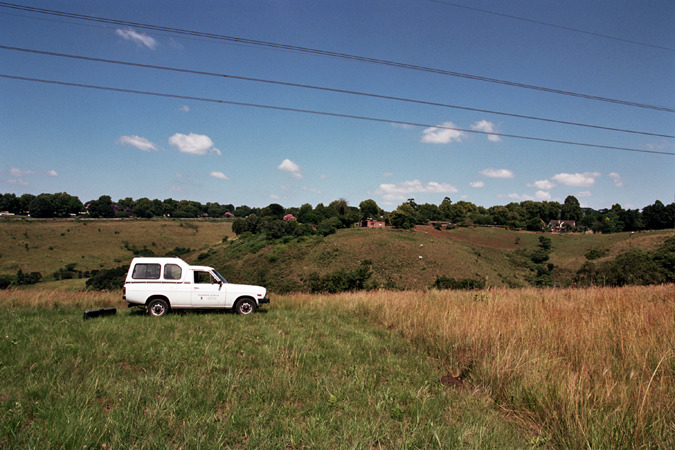
Beth's small truck or "bakkie"
Golden Gate Highlands National Park, S.A.
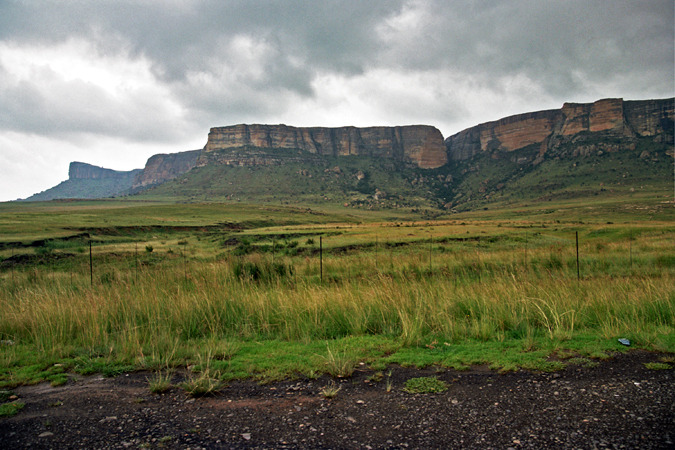
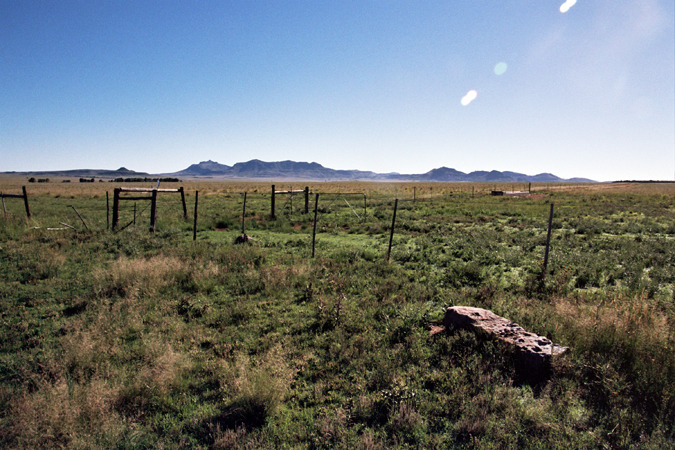
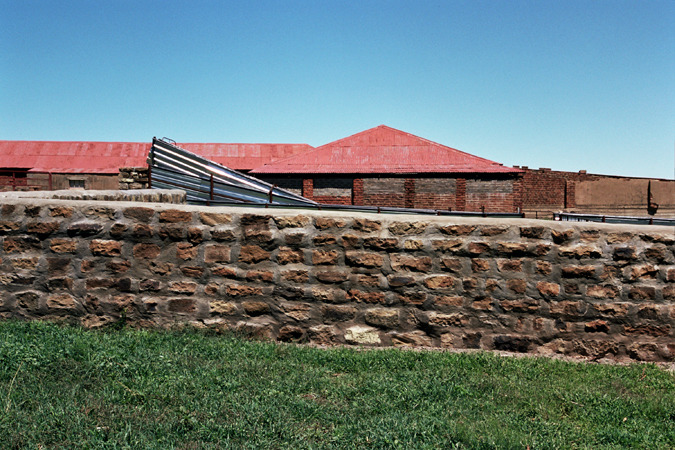
Zastron, South Africa
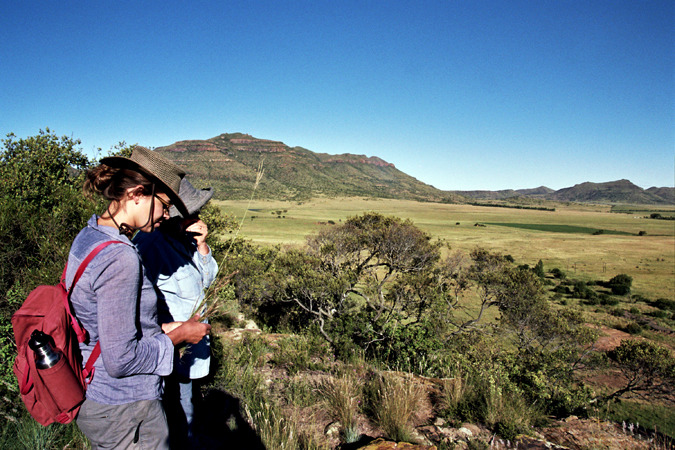
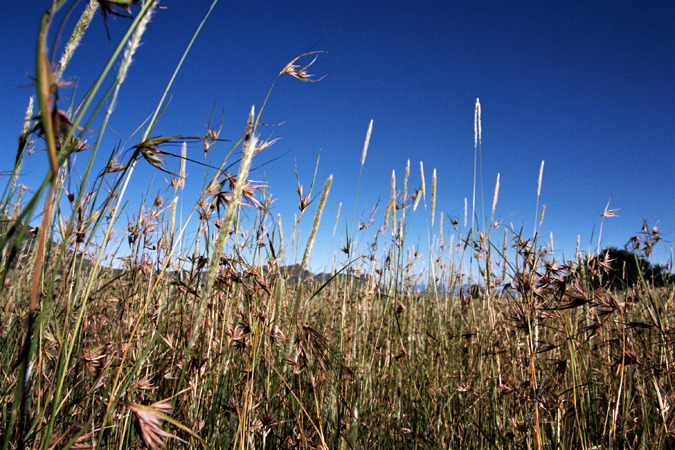
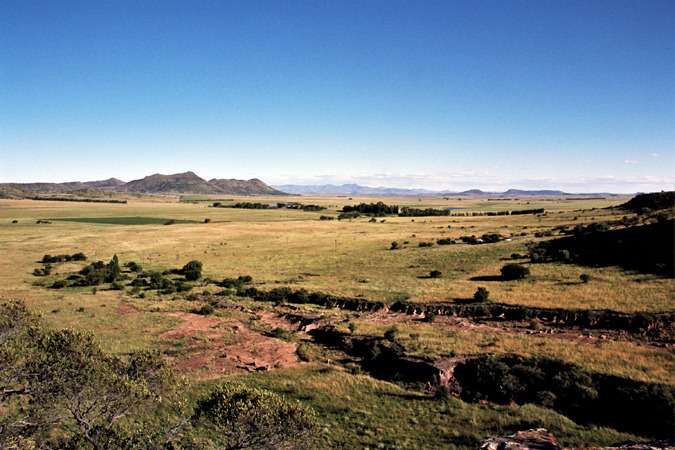
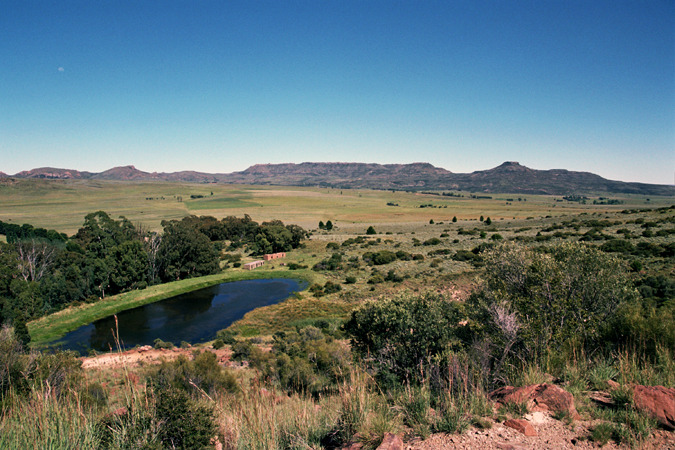
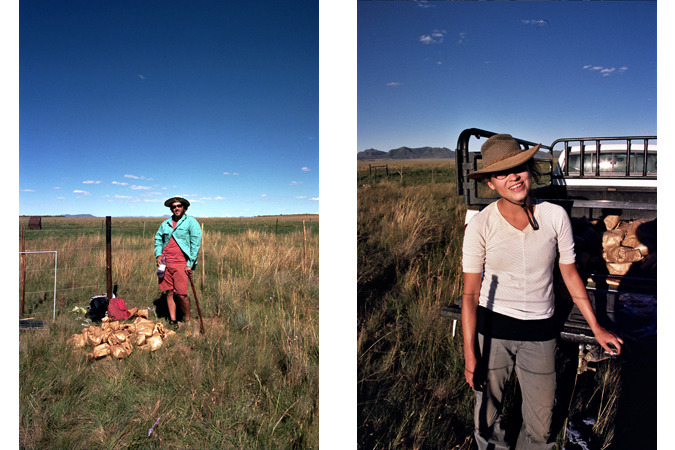
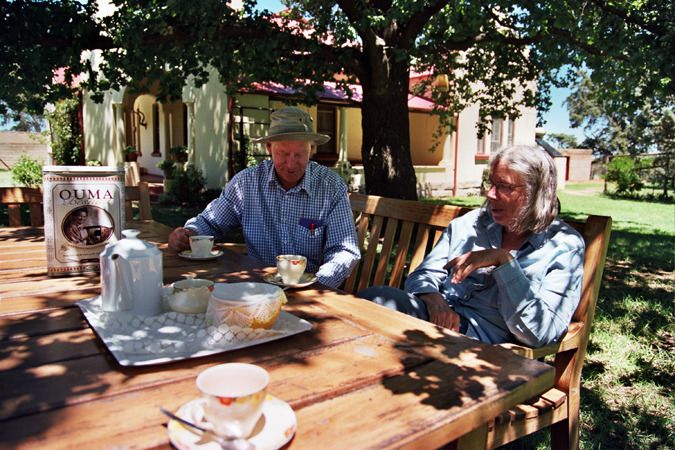
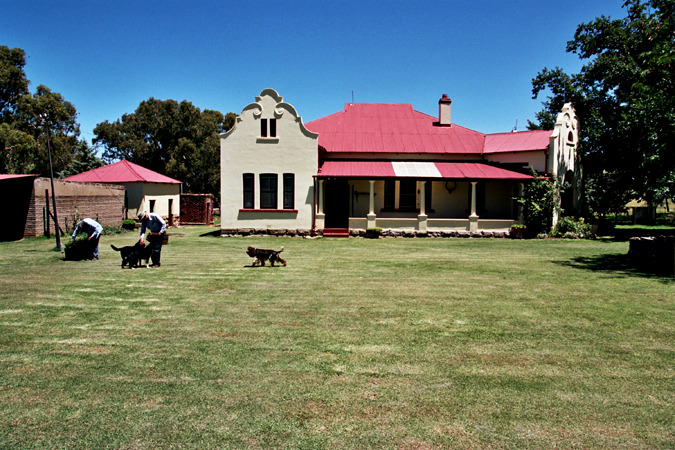
Willhelm and Christine
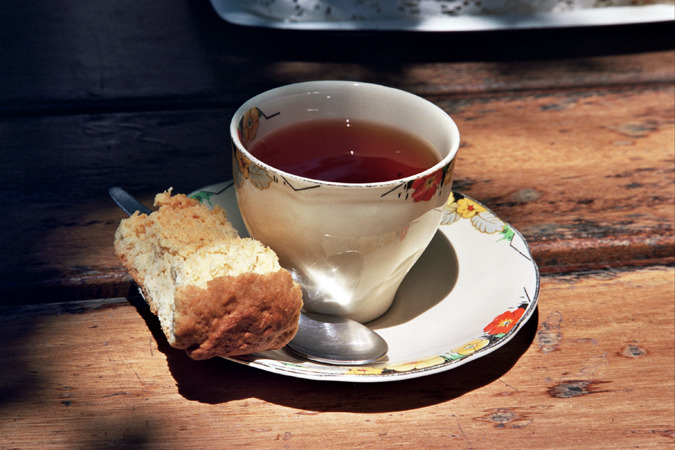
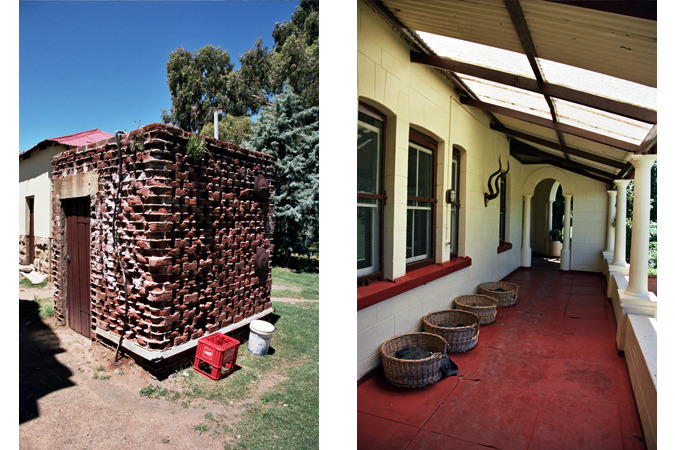
Rooibos and rusk ritual
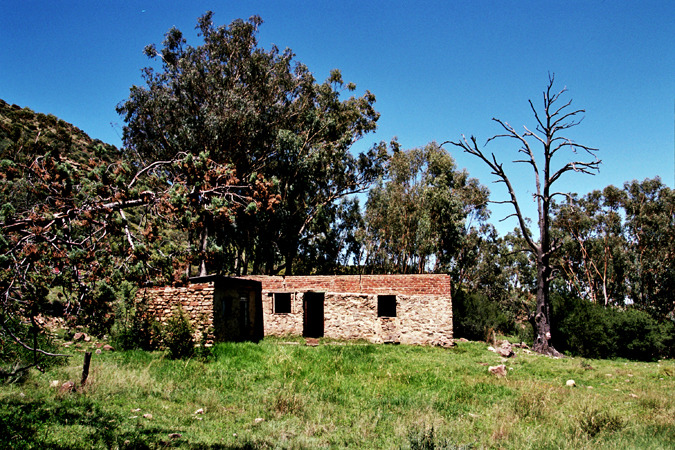
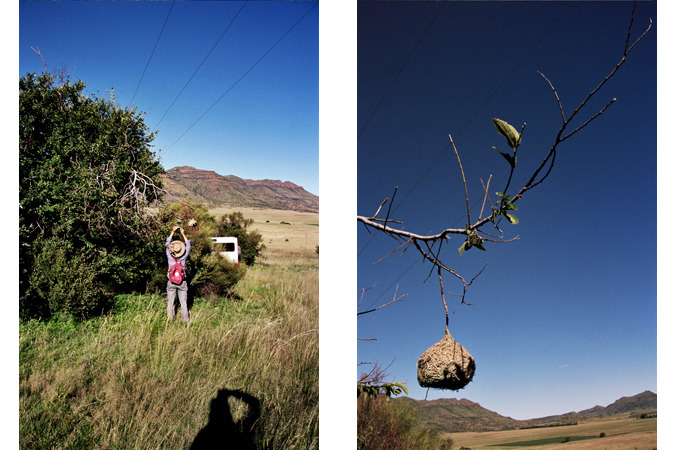
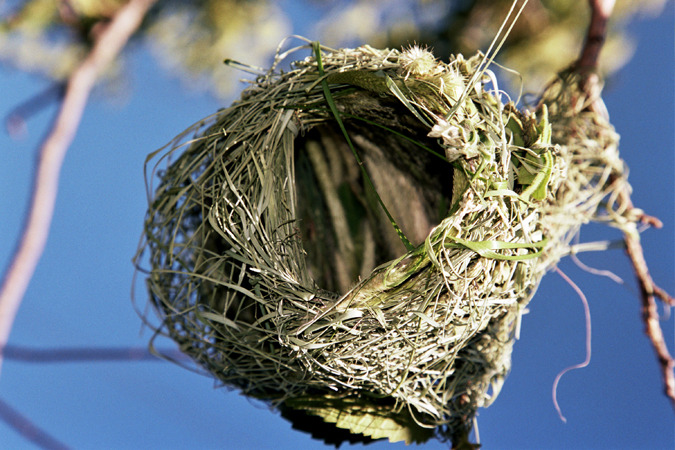
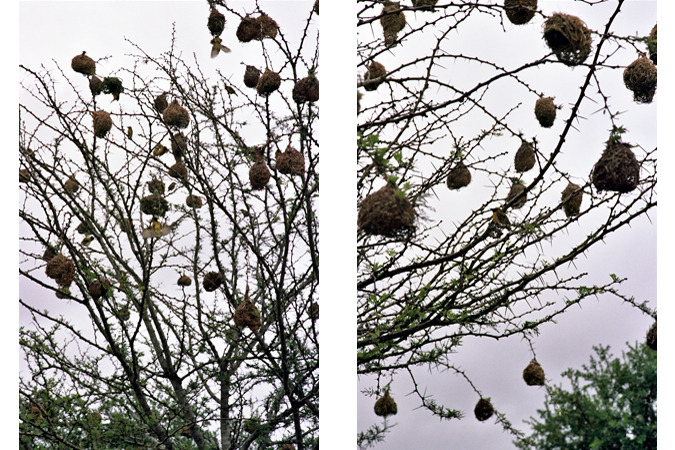
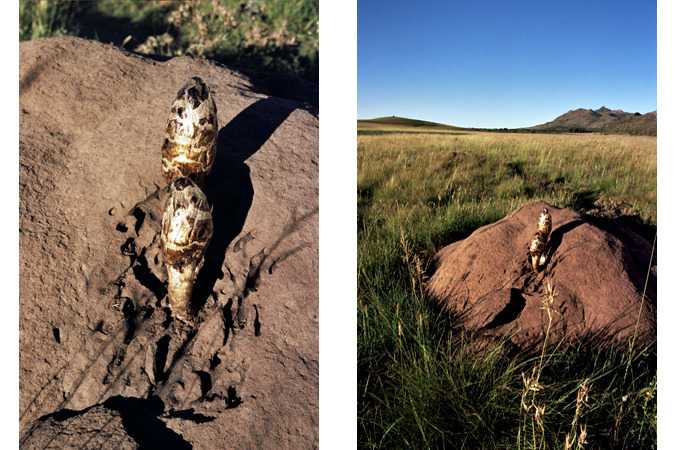
Termite mushrooms
Kokstad, South Africa
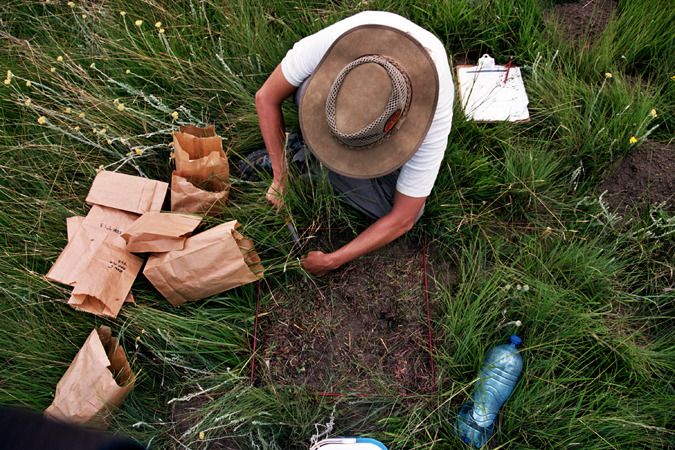
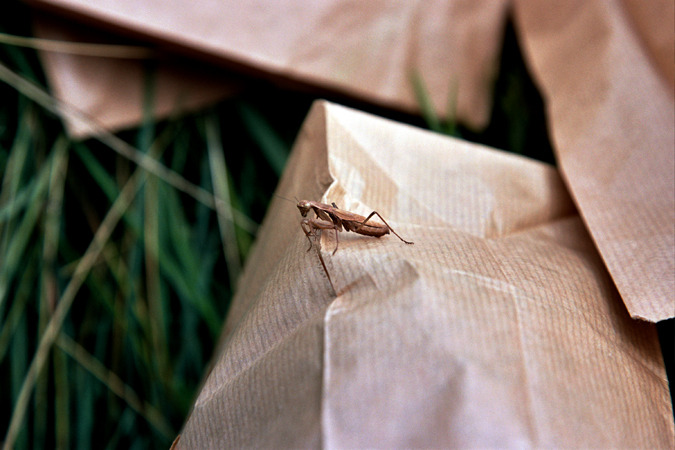
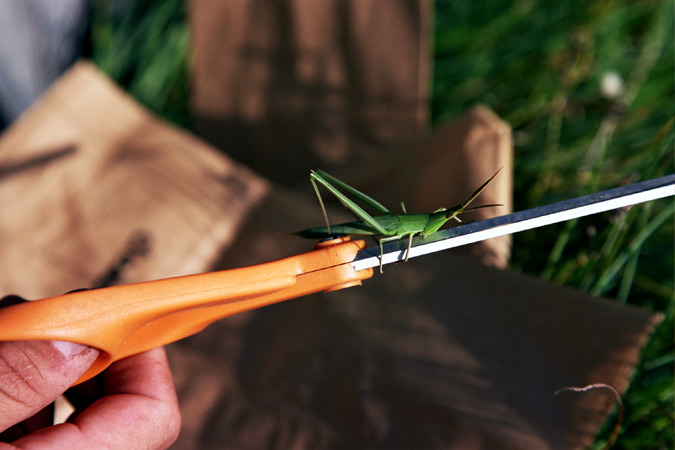
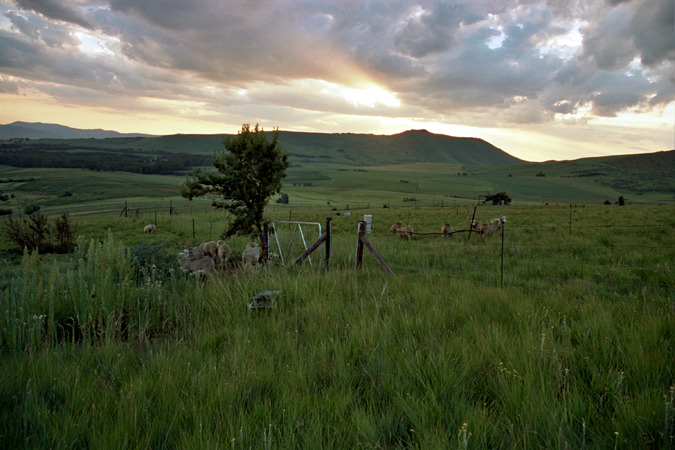
Ukulinga Research Farm, South Africa
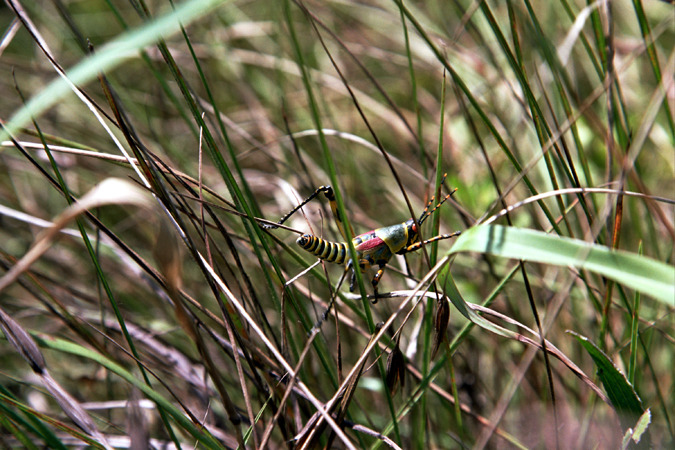
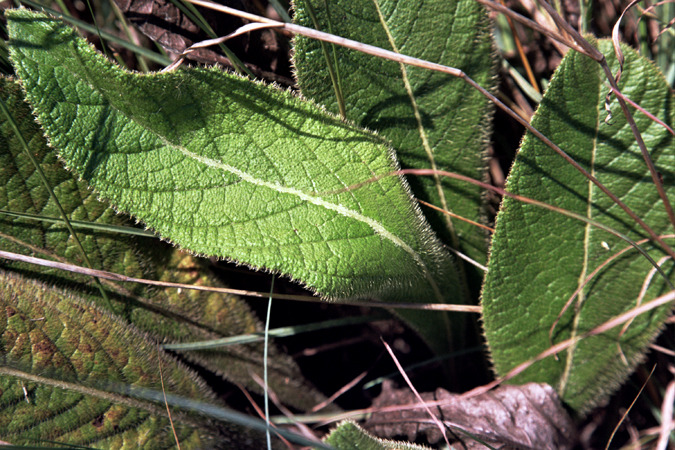
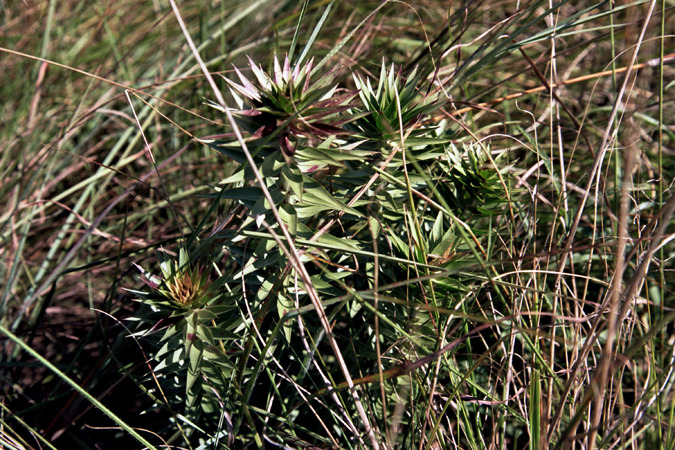
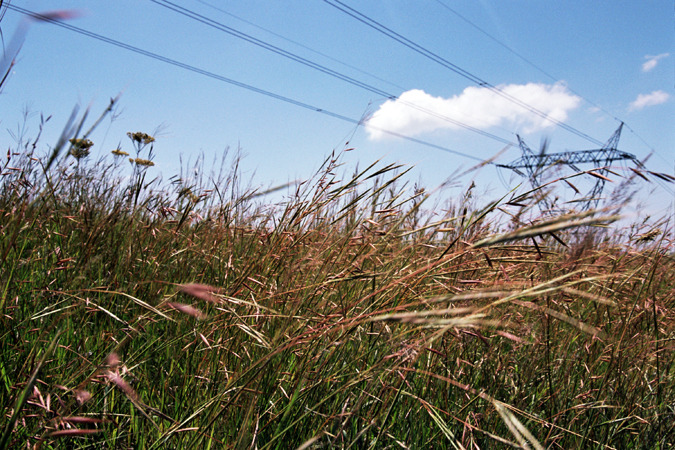
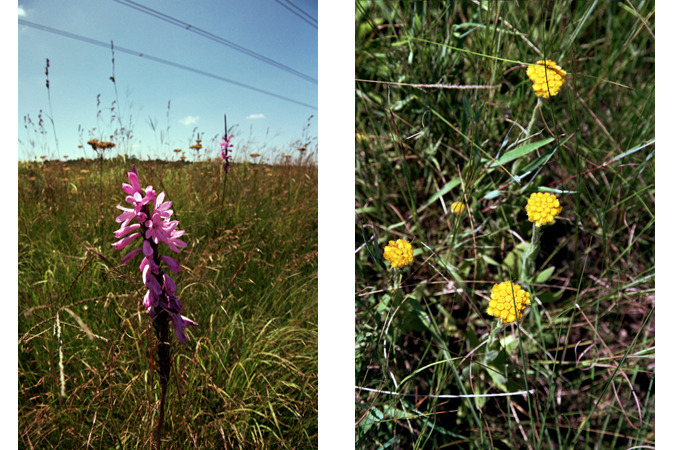
Forbs
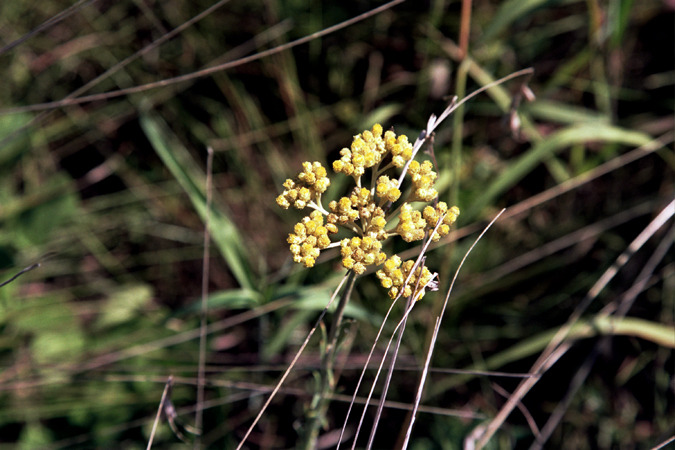
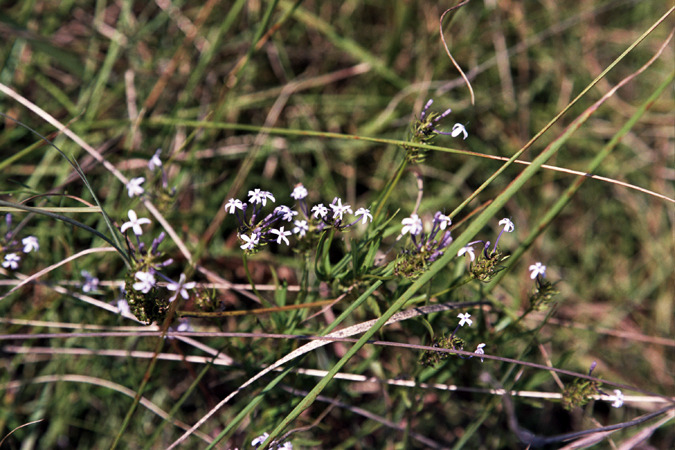
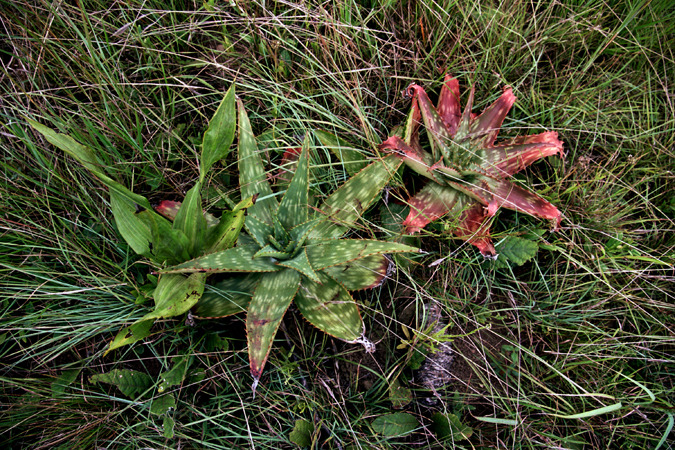
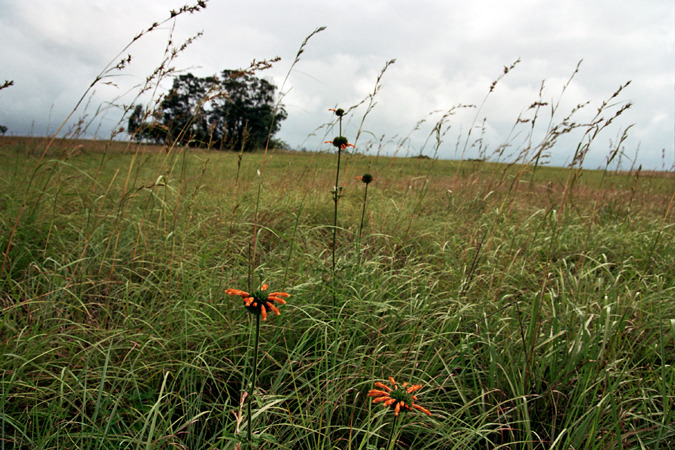
Kapok Bush "Old Man's Balls"
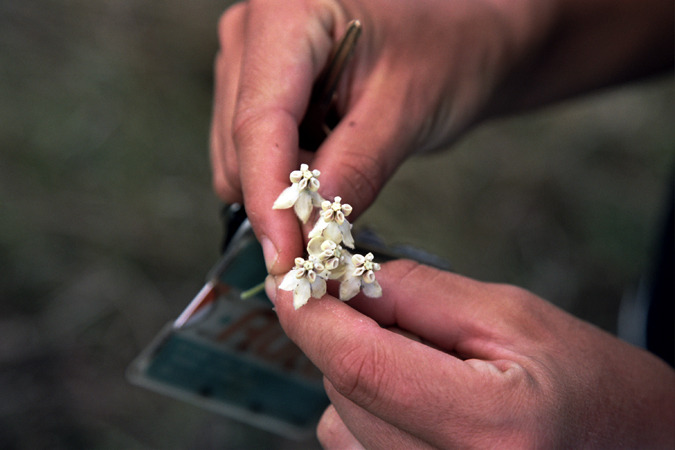
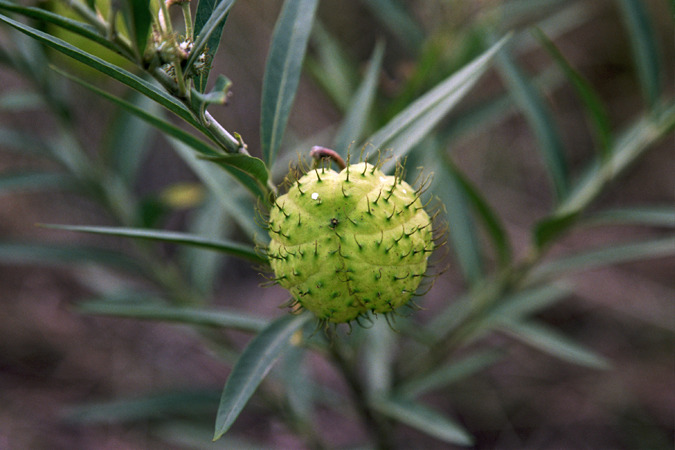
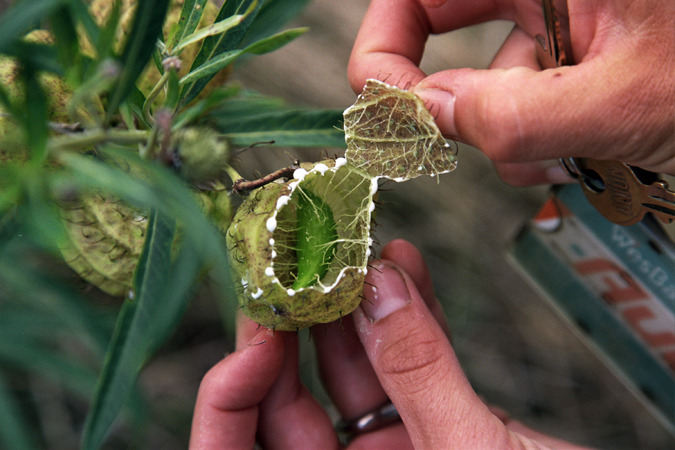
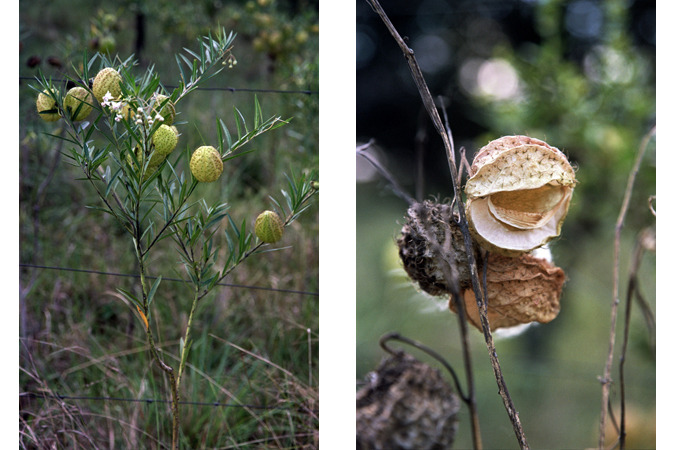
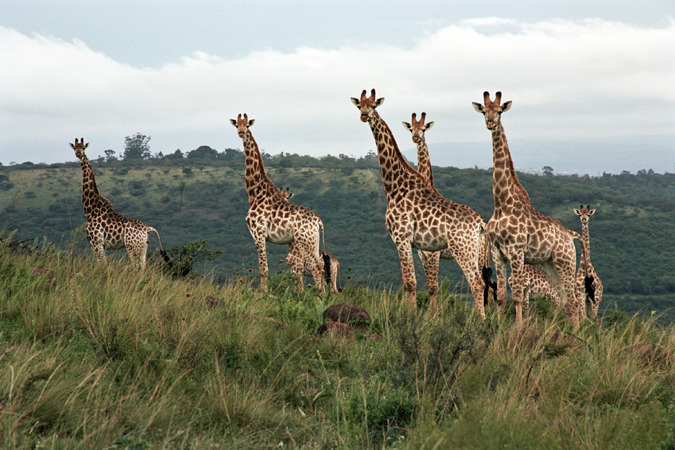
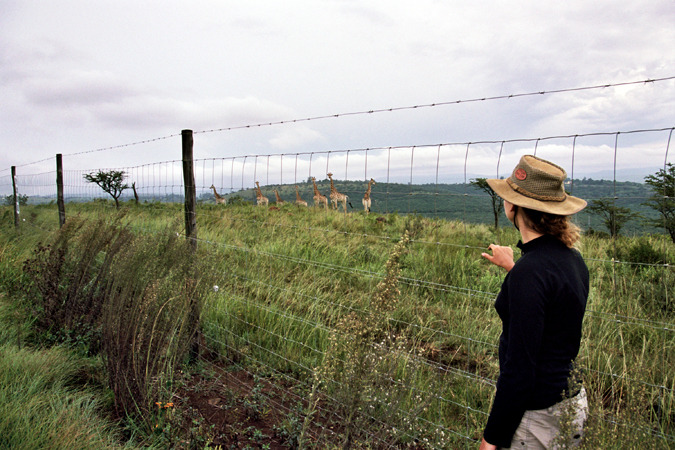
Summerveld, South Africa
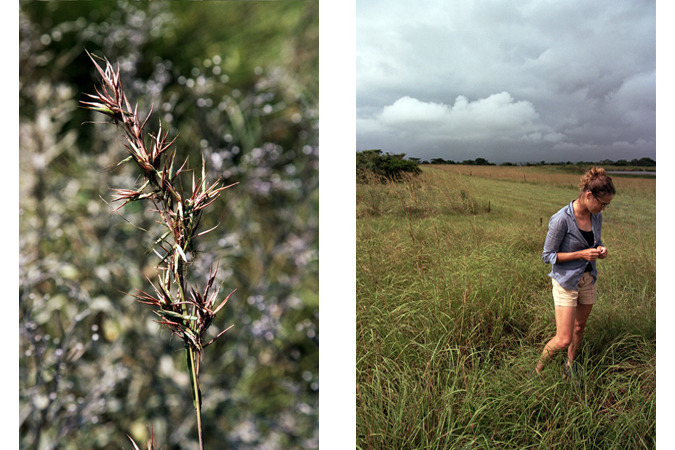
Forbs
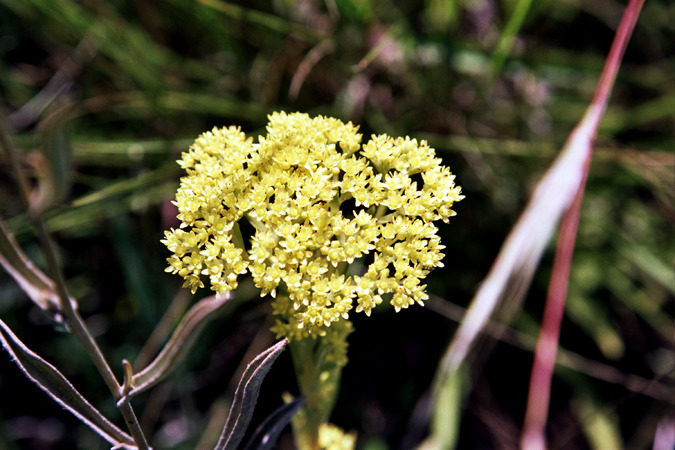
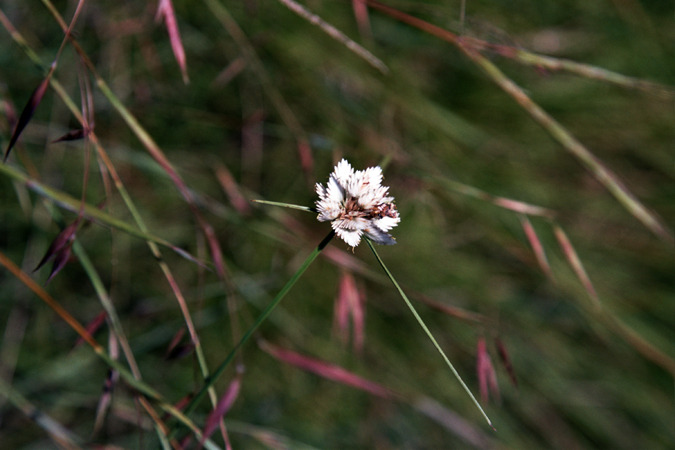
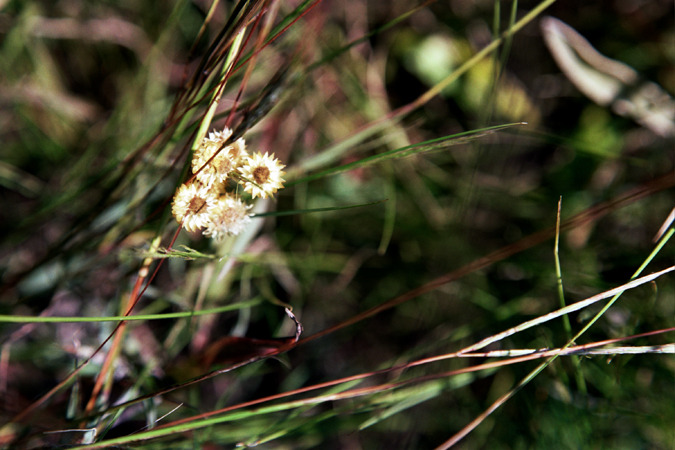
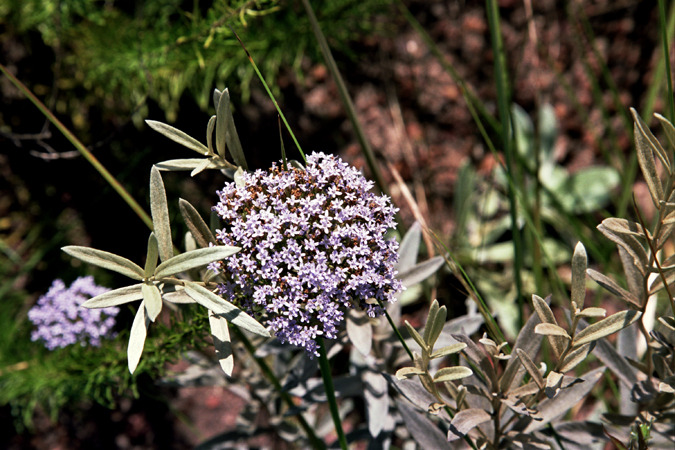
Map of precipitation gradient and sites visited - scaled to match North American map below
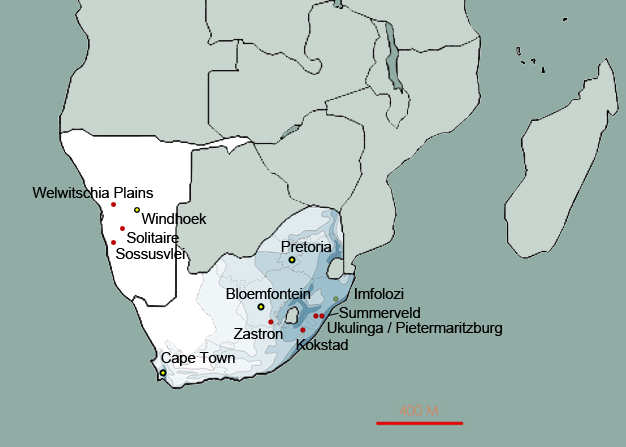
Upon returning to Cape Town, where our road trip began, we flew to Pietermaritzburg where Beth has been living since the beginning of January, working in collaboration with the grasslands department at the University of KwaZulu-Natal. As in North America, Beth's South African sites are distributed from east to west following the annual precipitation gradient. However, the overall distance between her wettest and driest SA sites is relatively condensed - maybe the width of Texas. While visiting, I assisted Beth with four sites at the eastern (wet) end of her transect and as I post this, she is in the process of collecting data from the remaining six sites with help from a variety of collaborators. Beth's current return ticket is on my birthday next month and, needless to say, New Haven has been lonely without her.
Being a layperson with zero background in ecology or evolutionary biology, it takes me some time to visualize what Beth intends to reveal through her dissertation. This is especially annoying for her to observe in person and I have embarrassed myself on many occasions trying to explain or simplify Beth's work to others in my position. I am now comfortable making the textbook observation that there is significantly more biodiversity in the grassland communities of South Africa than North America. This is perhaps caused by, among other things, an evolutionary timeline that is uninterrupted by glaciation. I was most excited to see the great variety of dominant grass species and forbs at the wettest or most "mesic" of these sites: where all the different players can really have at it, given the ideal growing conditions and abundant resources. However, I have also come to understand that wet conditions are the same as dry in terms of diversity drivers, a point that I find really fascinating. Maybe the in-between sites are the most boring? T.B.D.
What this means for me, as an almost useful field assistant, is that the differences between dominant grass species are much more subtle and difficult to spot in SA; for each plant that I clipped I sort of mumbled the specimen's name -- generally a bastardized version that is easier to remember -- and waited for Beth to confirm or guide my clippings to the proper bag. I do have some redeeming qualities including: running the stopwatch, digging soil cores, reading aloud in vehicles without radios and making sure that we are back on the road before dark to avoid hitting pedestrians, livestock or rural taxis. My first visit to Africa was great and, as always, having the opportunity to see the landscape and social fabric that Beth interacts with while carrying out her very involved field work is extremely rewarding.
The photos below are scanned from 35mm Kodak 160VC film. (discontinued last year)
Solitaire, Namibia
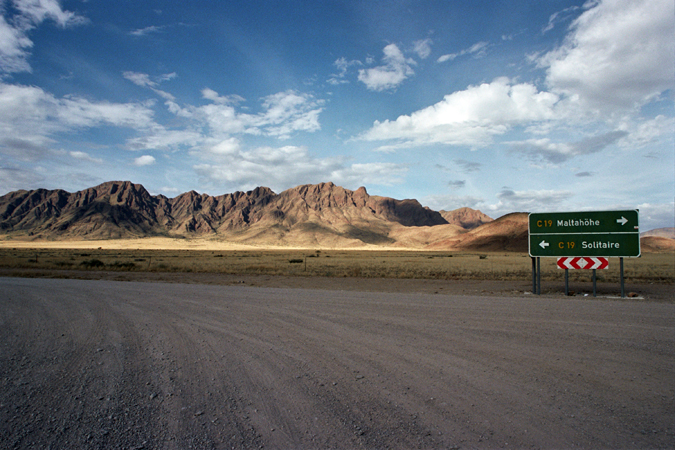
Sossusvlei, Namibia
Welwitschia Plains, Namibia
Beth's small truck or "bakkie"
Golden Gate Highlands National Park, S.A.
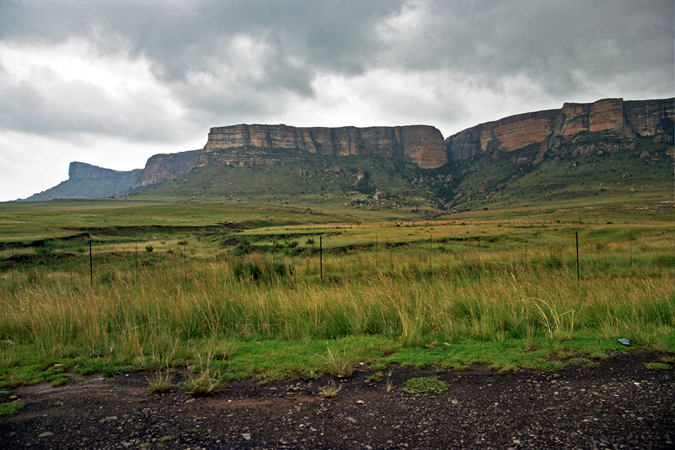
Zastron, South Africa
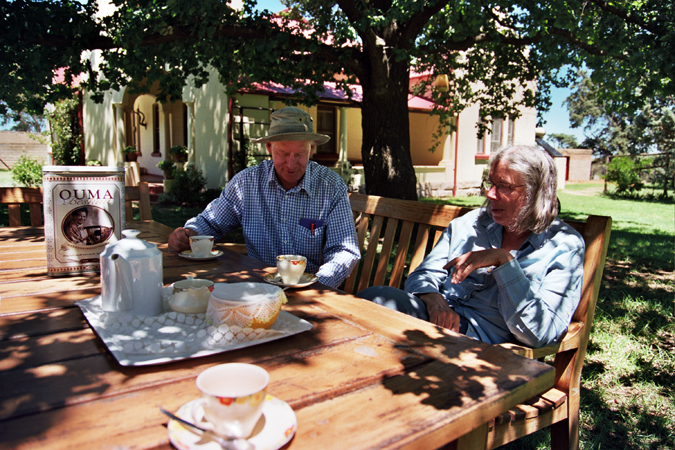
Willhelm and Christine
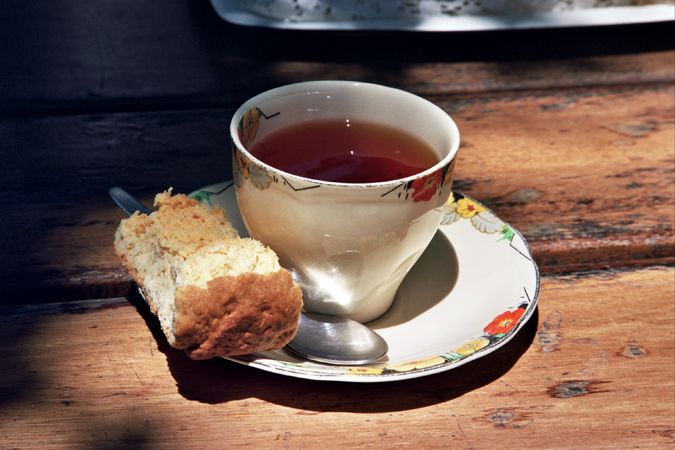
Rooibos and rusk ritual
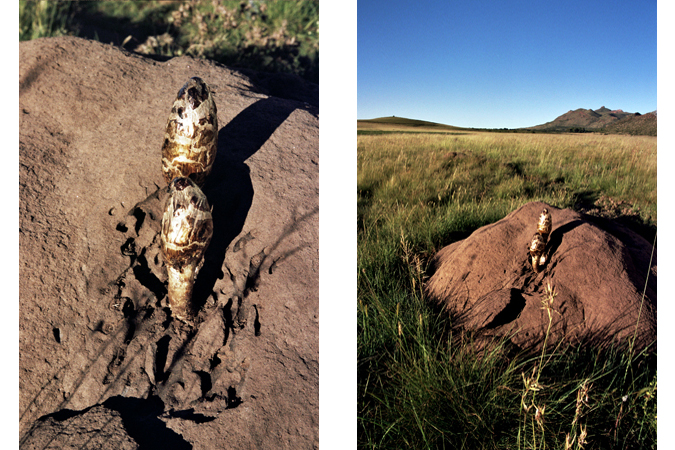
Termite mushrooms
Kokstad, South Africa
Ukulinga Research Farm, South Africa
Forbs
Kapok Bush "Old Man's Balls"
Summerveld, South Africa
Forbs
Map of precipitation gradient and sites visited - scaled to match North American map below